
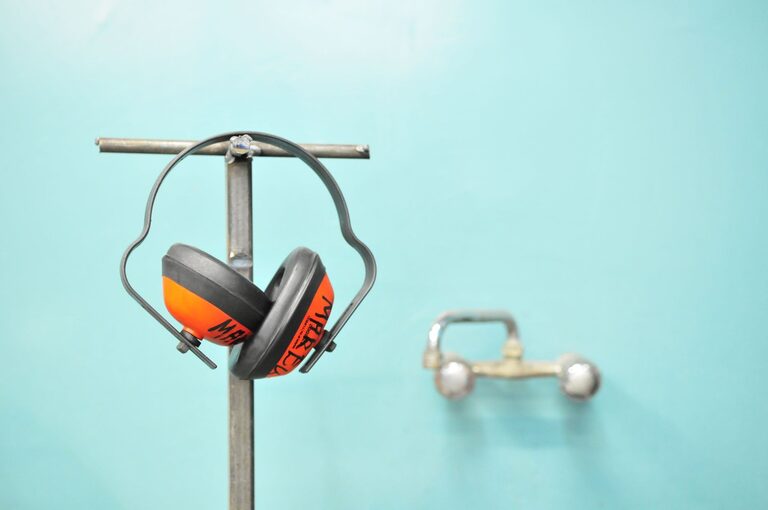
A noisy home can make it harder to relax, work, sleep, or enjoy time with family. Everyday sounds from traffic, neighbors, appliances, pets, and household activities can quickly become distracting. The good news is that you do not always need expensive construction or major renovations to create a quieter space.
Small changes can help reduce noise by blocking sound, absorbing echoes, or preventing vibrations. Use the ideas below to make your home more peaceful and comfortable.
Find the Main Sources of Noise
Before buying products or rearranging furniture, spend a few minutes identifying where the noise comes from. Listen at different times of day and note whether the sound enters from outside, travels between rooms, or is created by appliances and activities inside your home.
Common noise sources include:
– Traffic and outdoor activity
– Gaps around doors and windows
– Hard floors and empty walls
– Loud appliances
– Footsteps from upper floors
– Noisy plumbing or heating systems
– Echoes in large or sparsely furnished rooms
– Conversations and television sounds
Once you know the main problem, you can choose a solution that fits. For example, curtains may help with outdoor sounds, while a rug may reduce footsteps and echoes.
Seal Gaps Around Doors and Windows
Small openings around doors and windows can let in a surprising amount of sound. They can also allow drafts, dust, and outdoor odors to enter.
Start by checking the edges of exterior doors. If you can see light around the frame or feel air moving underneath the door, add weatherstripping or a door sweep. These affordable materials are easy to install and can improve both comfort and sound control.
For windows, inspect the frame and look for loose seals or visible gaps. Removable caulk or sealant can help close small spaces. If you rent your home, choose temporary products that can be removed without damaging the surface.
Interior doors can also benefit from weatherstripping, especially when you want to reduce sound between a bedroom and a busy hallway.
Add Soft Materials
Hard surfaces reflect sound, while soft materials absorb some of it. Adding fabric and other textured materials is one of the easiest ways to reduce echoes.
Consider adding:
– Area rugs or runners
– Fabric curtains
– Upholstered chairs
– Cushions and blankets
– Cloth wall hangings
– Bookshelves filled with books
– Baskets made from fabric or woven materials
A rug can make a noticeable difference in rooms with wood, tile, or laminate floors. Place one under a dining table, seating area, or desk to soften footsteps and reduce reflected sound.
In a bedroom, thick curtains and a soft rug can make the room feel quieter and more comfortable. In a living room, cushions and upholstered furniture can help prevent sound from bouncing off bare walls.
Use Curtains for Windows and Walls
Heavy curtains can help reduce outdoor noise while also blocking light and improving privacy. Look for full-length curtains made from tightly woven or layered fabric. Hang them so they extend beyond the sides and bottom of the window. This provides more coverage than narrow curtains that only fit within the window frame.
Curtains can also be used in other places. A fabric curtain across an open doorway may help reduce sound between rooms. In a large room, a curtain can divide the space and reduce echoes.
For the best results, make sure the curtain has enough fullness to create soft folds rather than hanging flat.
Rearrange Furniture
Furniture placement can help block and absorb sound without costing anything. Place larger pieces, such as bookcases, wardrobes, or cabinets, against walls that face a noisy hallway or neighboring room.
A full bookcase can act as a useful sound-softening layer. Books of different sizes create an uneven surface that helps reduce reflections. If possible, leave a small gap between the bookcase and the wall, but make sure the furniture is stable and safely secured.
You can also move seating away from noisy walls or windows. If street noise enters through one side of the room, position a sofa or other large piece of furniture near that area to add another layer between the noise and the rest of the room.
Reduce Floor Noise
Hard floors can make footsteps, dropped objects, and moving furniture sound louder. Rugs and runners are simple solutions, especially in hallways, bedrooms, living rooms, and home offices.
Add felt pads or rubber protectors to the legs of chairs, tables, and other furniture. These pads help prevent scraping sounds and protect the floor at the same time. When moving heavy furniture, lift it whenever possible instead of dragging it.
For noisy upper-floor areas, use thick rugs with a quality rug pad. The pad adds cushioning and can reduce the sound of footsteps traveling through the floor.
Quiet Noisy Appliances
Some appliances create humming, rattling, or vibrating sounds. Check that refrigerators, washing machines, fans, and air conditioners are level and standing on stable surfaces. An uneven appliance may vibrate more than necessary.
Rubber or anti-vibration pads can help reduce movement under washing machines and dryers. Keep appliances a small distance from walls when recommended by the manufacturer, since contact with the wall can increase rattling.
Clean filters and vents regularly. Dust buildup can make some appliances work harder and sound louder. If a device suddenly becomes much noisier, inspect it for loose parts or signs that it needs maintenance.
Create a Quiet Zone
Choose one room or corner of your home as a quiet area. This might be a bedroom, reading corner, or home office. Keep the space away from televisions, laundry equipment, and high-traffic areas when possible.
Use rugs, curtains, cushions, and bookshelves to soften the area. Arrange furniture to face away from the main noise source. You can also set simple household guidelines, such as keeping phone alerts low or closing doors gently during certain hours.
A quiet zone does not need to be large. Even a comfortable chair in a calmer corner can provide a useful place to read, work, or unwind.
Manage Household Habits
Some noise reduction comes from everyday routines. Close cabinets and drawers gently, use soft-close organizers where practical, and avoid placing hard objects directly on countertops.
Keep televisions and speakers at a moderate volume, especially in rooms with hard surfaces. If someone is watching television while another person is working, headphones may help keep the rest of the home quieter.
Schedule noisy activities, such as vacuuming or home projects, during reasonable daytime hours. Let household members know when you need quiet for sleep, work, or focused tasks.
Try Sound Masking
If occasional noise cannot be blocked completely, gentle background sound may make it less noticeable. A fan, air purifier, or sound machine can provide a steady, low-level sound that helps cover sudden changes in the environment.
Keep the volume comfortable and avoid placing the device directly beside your bed or workspace. The goal is to create a consistent background, not to replace one distracting sound with another.
Make Small Changes First
You do not need to change your entire home at once. Start with the room where noise causes the most trouble. Seal a door gap, add a rug, move a bookcase, or install thicker curtains. After trying one or two changes, notice whether the room feels calmer.
Combining several simple methods often works better than relying on one solution. By blocking gaps, adding soft materials, reducing vibrations, and adjusting daily habits, you can make your home quieter without a major renovation.