
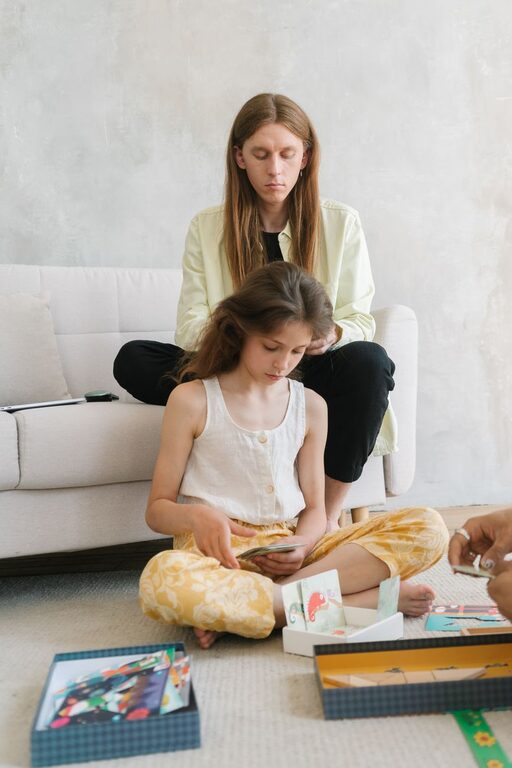
Why Plan a Family Game Night?
Family game night is a simple way to spend quality time together without leaving home. It gives everyone a chance to put away screens, share some laughs, and enjoy friendly competition. The best part is that game night does not need to be expensive or complicated.
With a few games, easy snacks, and a comfortable place to play, you can create a fun tradition for the whole family. Whether your group includes young children, teenagers, adults, or a mix of ages, there are plenty of ways to make the evening enjoyable for everyone.
Set the Scene
A little preparation can make game night feel like a special event. Choose a comfortable area with enough room for everyone to sit and play. A dining table, coffee table, or cleared section of the living room can work well.
Before guests arrive or the evening begins, gather:
– A selection of board games or card games
– Paper, pencils, and markers
– Small prizes or stickers
– Napkins and easy-to-eat snacks
– Drinks in spill-resistant cups
– A timer for timed games
– A basket or box for storing game pieces
You can also create a simple theme. Try a pajama game night, a favorite color theme, a retro game night, or a tournament evening. Even small details, such as playing background music or using colorful napkins, can make the night feel different from an ordinary evening at home.
Choose Games for Every Age
The most successful family game nights include a variety of games. Pick activities that match the ages, interests, and attention spans of the players. If younger children are joining, avoid choosing only long or complicated games. If older kids and adults are playing, include a few games that offer more strategy or challenge.
Classic Board Games
Classic board games are popular because many families already have them at home. Choose games that are easy to explain and allow several people to play at once.
Good options may include:
– Checkers
– Chess
– Connect Four
– Candy Land
– Guess Who
– Sorry
– Clue
– Monopoly
– Scrabble
– Battleship
For younger children, look for games with simple rules and short rounds. Older children may enjoy games that involve planning, word skills, or solving clues.
Card Games
Card games are affordable, portable, and easy to adapt for different ages. A standard deck of cards can provide hours of entertainment.
Try games such as:
– Go Fish
– Crazy Eights
– Uno
– Old Maid
– War
– Slapjack
– Rummy
– Spoons
To keep younger players interested, use shorter rounds and offer help with counting or matching. Older players may enjoy learning a new game or teaching a favorite family card game to everyone else.
Word and Drawing Games
Word and drawing games are useful when you want something creative and active. They also work well when family members have different gaming preferences.
Some ideas include:
– Charades
– Pictionary
– Word association
– Twenty Questions
– Name that tune
– Categories
– Homemade trivia
– Story building
For a homemade version of Pictionary, write simple prompts on slips of paper and place them in a bowl. Players can take turns drawing while their teammates try to guess the answer. Use familiar subjects such as animals, foods, hobbies, and popular places.
Try a Family Game Night Tournament
A tournament can add excitement to an ordinary collection of games. Choose three or four short games and give players points based on their results. For example, the winner of each round might receive five points, while other players receive three, two, or one point.
Keep the scoring simple and write it on a sheet of paper or a whiteboard. At the end of the evening, announce the overall winner.
The prize does not need to be expensive. Consider:
– Choosing the next movie
– Picking dessert
– Getting first choice of the next game
– Receiving a homemade certificate
– Wearing a funny champion crown
– Choosing the next family activity
To keep the atmosphere friendly, focus on participation and good sportsmanship rather than winning. You can also give fun awards such as Best Teamwork, Most Creative Player, or Best Encourager.
Add Homemade Games
You do not need a large collection of store-bought games to have a great evening. Homemade games can be just as entertaining and often encourage more creativity.
Family Trivia
Write questions about family memories, favorite foods, hobbies, pets, and funny experiences. Keep questions light and make sure everyone has a chance to answer.
Examples include:
– What is Dad’s favorite snack?
– Who wakes up earliest?
– What was our last family movie?
– Which family member can whistle?
– What is Grandma’s favorite color?
Indoor Scavenger Hunt
Create a list of items for players to find around the house. You can play individually or in teams. Use safe, common objects such as a book with a blue cover, a soft toy, a spoon, or something shaped like a circle.
Set a time limit and remind players to walk rather than run. Younger children can work with an older partner.
Minute to Win It Challenges
Set up quick challenges that take about one minute each. Examples include stacking plastic cups, moving cotton balls with a spoon, balancing coins, or tossing soft objects into a basket.
Use household items and avoid anything sharp, breakable, or difficult to clean. These challenges are especially fun when the whole family watches and cheers.
Serve Easy Game Night Snacks
Choose snacks that are simple to serve and do not create too much mess around the games. Finger foods are usually the easiest option.
Try serving:
– Popcorn
– Pretzels
– Fruit slices
– Vegetable sticks
– Cheese cubes
– Crackers
– Mini sandwiches
– Cookies
– Homemade trail mix
Place snacks on a separate table or counter when possible. This helps protect game boards and cards from spills. For a special touch, give snacks playful names based on the evening’s theme.
Keep drinks in cups with lids if young children are playing. It is also helpful to have a few damp cloths nearby for quick cleanups.
Make Everyone Feel Included
Family members may have different ages, personalities, and skill levels. A few simple adjustments can help everyone enjoy the evening.
– Let each person choose one game during the night.
– Pair younger players with older players when needed.
– Explain rules before starting and give examples.
– Keep rounds short if attention begins to fade.
– Allow players to skip a game without pressure.
– Celebrate clever ideas, teamwork, and good humor.
– Keep a backup activity ready in case a game is not working.
It is also helpful to avoid games that depend entirely on reading speed, memory, or physical ability unless everyone is comfortable with them. When possible, offer different ways to participate, such as answering questions, keeping score, drawing, or giving clues.
Create a Regular Tradition
A game night becomes more meaningful when it happens regularly. You might schedule it once a week, twice a month, or on the first Friday of each month. Pick a time that works for most family members and keep the plan flexible.
Consider creating a family game night box with games, score sheets, pencils, and theme ideas. Over time, add new games based on everyone’s interests. You can also take turns planning the menu, choosing activities, or creating homemade challenges.
The goal is not to plan a perfect evening. It is to spend time together, enjoy a few laughs, and create memories at home. With a little planning and a willingness to try different activities, family game night can become a tradition everyone looks forward to.