
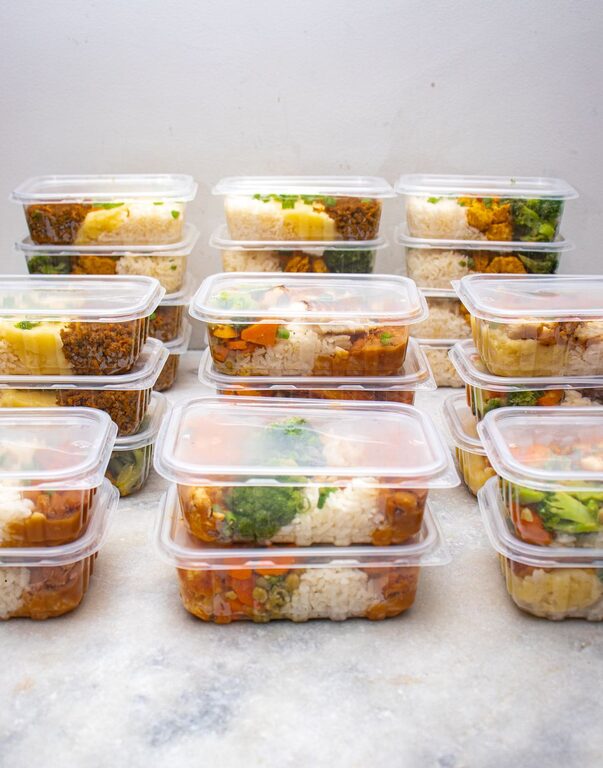
Food waste can happen in small ways: buying more than you need, forgetting food in the refrigerator, or cooking portions that are too large. Over time, these habits can add up. The good news is that reducing food waste does not require a complete lifestyle change. A few simple systems can help you use more of the food you buy, save money, and make daily meal decisions easier.
Start With a Quick Kitchen Check
Before changing your shopping or cooking habits, take a few minutes to see what you already have. Check the refrigerator, freezer, pantry, and kitchen cabinets.
Look for:
– Fresh foods that need to be used soon
– Open packages that may be easy to forget
– Ingredients you bought for a previous recipe
– Freezer items that have been stored for a long time
– Duplicate products, such as several open bags of rice or pasta
Group similar items together so they are easier to find. Place foods that should be used first at the front of the refrigerator or pantry. This simple “first in, first out” approach can prevent older food from being forgotten behind newer purchases.
Plan Meals Around What You Have
Meal planning does not need to involve a detailed schedule for every day of the week. Even planning three or four meals can reduce unnecessary shopping and help you use ingredients more efficiently.
Start by choosing meals that share ingredients. For example, a bunch of fresh herbs might be used in a pasta dish, a salad, and a soup. A package of tortillas could be used for wraps, quesadillas, or breakfast burritos.
A flexible meal plan might include:
– A few planned dinners
– One night for leftovers
– One meal made from foods that need to be used soon
– Simple options for busy days
– A backup meal from pantry or freezer ingredients
Leave some room for changes. If your schedule changes, move a planned meal to another day instead of abandoning the ingredients.
Make a “Use Soon” List
Keep a short list on your refrigerator or phone with foods that need attention. Include items such as ripe bananas, opened dairy products, leafy greens, or cooked leftovers.
When deciding what to eat, check this list first. It can also guide your meal planning and grocery shopping.
Shop With a List
A shopping list helps you buy only what you are likely to use. Before leaving home, check your kitchen and write down the ingredients you need for planned meals.
Try these habits:
– Avoid shopping when you are rushed
– Check package sizes before buying
– Review your list before adding extra items
– Buy smaller quantities of highly perishable foods
– Consider how often your household actually uses an ingredient
Large packages are not always the best value if part of the food will be thrown away. Choose a size that matches your household’s needs. If a larger package is more practical, plan several meals that use it.
Store Food Properly
Proper storage can help food stay fresh longer. Different foods have different storage needs, so simple organization can make a noticeable difference.
Keep fruits and vegetables in the right areas of the refrigerator when appropriate. Store dry goods in cool, dry places, preferably in sealed containers. Keep bread well sealed, and freeze extra portions if you will not use them soon.
Other helpful habits include:
– Store herbs in a way that helps them remain fresh
– Keep berries dry until you are ready to use them
– Seal opened packages tightly
– Label leftovers with the date
– Do not overload the refrigerator, so air can circulate
– Keep foods that need to be used soon where you can see them
Learn the difference between date labels. A “best by” date generally refers to quality, while a “use by” date may provide more specific guidance. When in doubt, check the package instructions and use your senses to assess food quality. Do not eat food that looks, smells, or tastes unsafe.
Use More of Each Ingredient
Many foods have useful parts that are often discarded. Vegetable stems, leafy tops, and citrus peels can sometimes be used in cooking, depending on the ingredient and your preferences.
Try using:
– Broccoli stems in stir-fries or soups
– Carrot tops in sauces or herb mixtures
– Soft fruit in smoothies or baked dishes
– Stale bread as crumbs or toasted toppings
– Vegetable scraps in homemade stock
– Citrus zest to add flavor to recipes
Wash produce before using it and follow safe food preparation practices. If a part of an ingredient is too tough or unsuitable for eating, it may still be useful for composting.
Be Creative With Leftovers
Leftovers do not have to be repeated in exactly the same form. A cooked ingredient can often become part of a new meal.
For example:
– Roasted vegetables can be added to eggs, pasta, or grain bowls
– Cooked chicken can become a sandwich, soup, or salad topping
– Rice can be used in fried rice, stuffed vegetables, or a bowl meal
– Extra beans can be added to tacos, soup, or a simple dip
– Cooked pasta can be combined with vegetables and sauce
Store leftovers in clear containers so you can see them easily. Divide large amounts into smaller portions to make reheating easier and reduce the chance of preparing more food than you need.
Cook Realistic Portions
Cooking too much food is a common source of waste. Recipes often serve more people than you need, so adjust the quantities when possible.
Consider:
– How many people will be eating
– Whether the meal includes side dishes
– How much each person usually eats
– Whether you want leftovers for another meal
If you are unsure, cook a moderate amount and add a simple side dish if needed. You can always prepare more, but it is harder to use a large amount of food before it loses quality.
When serving meals, consider placing smaller amounts on plates first. People can take additional servings if they are still hungry, while extra food in the serving dish can often be stored more easily than food left on individual plates.
Freeze Food Before It Goes Bad
The freezer is a useful tool for preserving food you will not use soon. Freeze food in portions that match your household’s needs, and label each container with its contents and date.
Foods that may freeze well include:
– Bread and baked goods
– Cooked grains and beans
– Soups and sauces
– Ripe fruit for smoothies or baking
– Extra portions of cooked meals
– Some fresh vegetables after suitable preparation
Use freezer-safe containers or bags and remove excess air when possible. Keep an inventory of frozen items so food does not disappear from view. Plan a regular “freezer check” to use older items before buying more.
Create a Simple Leftover Day
Choose one day each week to serve leftovers or make a meal from ingredients that need to be used. This can be a relaxed way to clear the refrigerator without following a new recipe.
Set out several ingredients and let household members build their own meals. Leftover vegetables, grains, sauces, and proteins can often be combined in bowls, wraps, soups, or mixed dishes.
A leftover day also helps you understand which foods your household regularly buys but rarely uses. That information can improve future shopping trips.
Compost What You Cannot Use
Some food scraps cannot be used in meals. Composting can keep many of these scraps out of the trash and turn them into a useful soil amendment, depending on your local options.
Common compostable items may include fruit and vegetable scraps, coffee grounds, tea leaves, and eggshells. Check your local composting rules, as accepted materials vary. If home composting is not practical, look for a community collection program.
Reducing food waste is most effective when composting comes after prevention and reuse. First, buy and cook what you need. Then find ways to use leftovers and scraps before sending the remaining material to compost.
Make Waste Reduction a Routine
The most successful approach is to build small habits into your normal routine. Review the refrigerator before shopping, plan a few meals, store food where it is easy to see, and schedule time to use leftovers.
Do not aim for perfection. Some waste may still happen, but each improvement can make a difference. By paying attention to what your household buys, stores, cooks, and enjoys, you can create a practical system that saves resources and makes the most of every grocery trip.